






Blogs
Selfless' Ryu On Their Recent Uprising: "When we lost koosta pretty much everyone wrote us off."
wheathan
Mon 25th Apr 2016 - 8:52am
I recently had the chance to ask some questions to Steve “Ryu” Rattacasa of Team Selfless. We got to talk about topics such as his transition into a coaching role, the rapid growth of the scene, the recent wrist injury crisis, and many others. I’d like to first thank Ryu for the opportunity, and the level of detail in his answers.
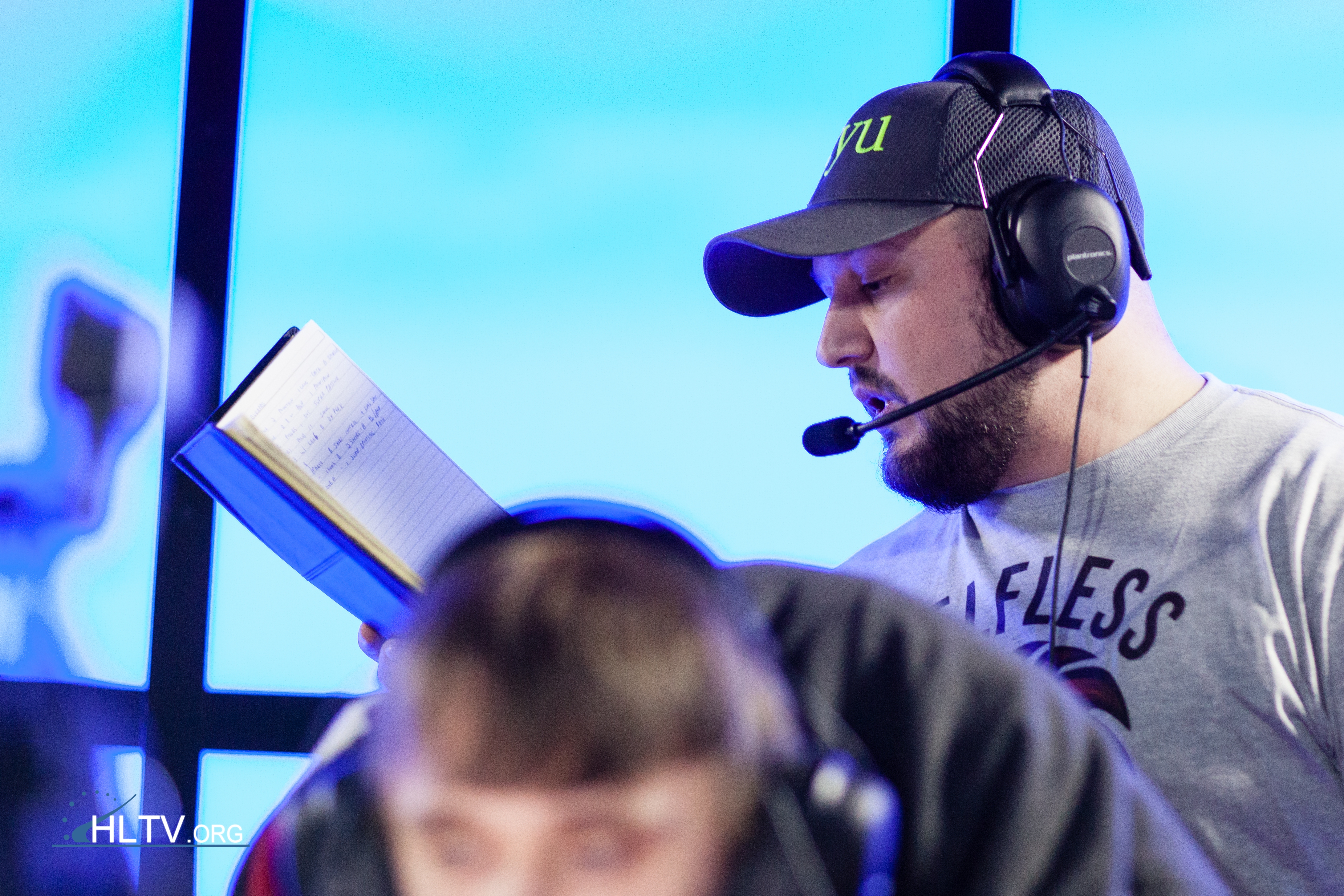 Image Courtesy Of HLTV.org
Can you tell me a bit about the history of your CS career?
Ryu: I’ve been playing Counter-Strike since it was in early betas, but didn’t compete during the 1.6 era because I was competing in Team Fortress Classic (TFC) at the time. When CS:Source came out, I jumped over to that game where I lead a few different teams in CAL and CEVO, and eventually made my way to the Invite division. For Source, I hosted a LAN in November of 2006, attended a bunch of LANs from Florida to New York, and stayed pretty involved in the scene/community up until the entrance of CGS and its subsequent destruction of the scene. I moved to the southeast and shifted my focus over to my outside-of-gaming career at that time.
How did you go from being a player to being a coach?
Ryu: It was a bit of unfortunate circumstances, but here’s the short version of it. As a player and in-game leader, I lead our team in Premier through a dominant regular season and then through the relegation system to make it into the Pro division for ESEA, and did so while only putting in 10-15 hours per week because of my job—which had me on the road regularly, up very early for day-travel, and even had me playing matches a few times from hotel rooms/LAN centers around the US.
Once we made it to the Professional division, I felt like my work schedule wasn’t going to allow me the time required to compete at that level, and I didn’t want to hold our team back. So I stepped into a coaching role and worked to find someone to replace me as the IGL. It sounds like a bit of a tragic tale, but it’s really not—it’s just another example of how life happens despite your best plans.
How would you describe your role as a coach in comparison to others such as CLG's pita or fnatic’s vuggo?
Ryu: It’s hard to say really, because I don’t get to see too much behind the curtains of how Pita or Vuggo operate. I did get to spend some time with the CLG guys including Pita at the major qualifiers, and I would say his preparation process, demo reviews, etc. are very similar to mine. That being said, with recent news of vuggo being the IGL for FNATIC at the moment, and Pita being the IGL for CLG, I would say that’s probably where the similarities end.
The main difference between myself as a coach and all the other coaches I’ve seen and interacted with is that I focus on a lot of the critically important things that are not IN the game—things like leadership, culture of the team, and so on.
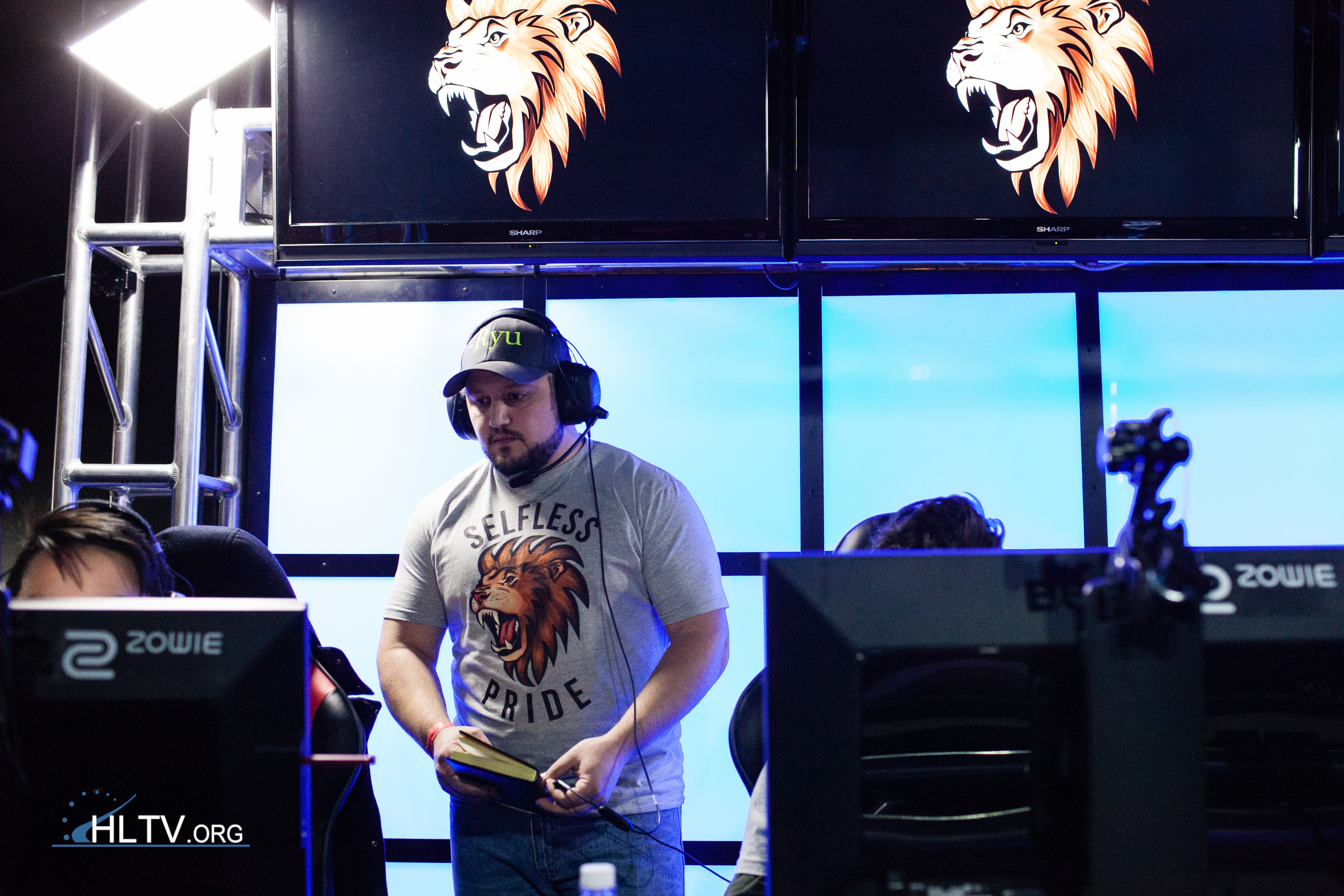 Image Courtesy Of HLTV.org
Who would you consider your team’s biggest rival?
Ryu: Definitely Tempo Storm. Those guys “came up” during mostly the same time that we did, and we’ve always had very intense matches against them since the first time we played. Unfortunately, they wrecked us pretty badly at the Major Qualifier when we were still paying with our old roster—and that’s probably the most important match we’ve had against them to date.
We DID win a come-from-behind best of 3 series against them to make it to Dreamhack Austin though most recently. They’re a great team and I love competing against them. It always makes for good, intense Counter-Strike.
Your team recently qualified for Dreamhack Austin, and is in the final stretch of securing attendance to the ESL Pro League Finals. What do you think has been your team's key to success lately?
Ryu: As cheesy as it sounds, a lot of our success the past few months has come from my teammates’ belief in our system. When we lost koosta pretty much everyone wrote us off—because they wrongfully believed that we were a “solo-player” team, and that koosta was the only reason for our success. Losing our “only all-star player” was going to be the death of us. My teammates didn’t believe it, they put their faith in our system, and our results speak for themselves.
What are your thoughts on the increasing number of leagues, and the prize pools that are increasing with them?
Ryu: It’s amazing to see the continued growth of esports, and especially focused growth in CS:GO. Unfortunately, a lot of the smaller leagues and events are going to get boxed out by the bigger names and bigger prize pots, but that’s a side effect of an otherwise really good thing.
A few things that would be really nice to see are a universal set of rules and server configs to help keep things consistent across the various leagues and events, and cooperation between the leagues when it comes to scheduling of events/matches. It’s also really important that all leagues be using an anti-cheat client of some kind to ensure that as the money flows in, the bottom feeders and cheaters don’t flow in with it.
What are your thoughts on the recently growing number of wrist injuries among pro players and what are you doing to prevent them from happening to your guys?
Ryu: It’s really sad to see so many great players impacted by injuries of ANY kind. The silver lining is that when some of the best players in the world are suffering from RSI type wrist injuries, it opens the eyes of their fans and players around the world to the importance of their health, their fitness, doing proper stretches, and so on.
I’ve talked to our guys numerous times to ensure they’re properly taking care of themselves, that they’re taking frequent breaks during marathon gaming sessions, and that they’ve seen the Dr. Levi videos and articles on proper stretching techniques. When we get into a gaming house, I’ll be able to enforce those kinds of things better.
What are you and your team currently working on to improve?
Ryu: We’re always trying to get stronger within our map pool, adding new things on each half of every map, while putting an emphasis on teamwork and communication. Outside of those normal things, our biggest focus is finding a consistent level of play. We’ve played great against some great teams, but then have fallen off and played really poorly against some not-so-great teams. We need to find, and then regularly increase, our “base level of play”.
What is your team’s current practice schedule?
Ryu: We’re usually practicing Sunday-Thursday, 2000 through 0100. It depends on what we have in terms of matches, events, etc.
What do you think of the recent but rapid rise of tier two teams, such as Godsent or Tempo Storm for example.
Ryu: It’s a great thing for CS:GO and it’s always enjoyable for me to see new names making an impact in the competitive scene. A team like Tempo Storm is a great example of what can be accomplished with the right work ethic, the right environment, and a lack of distractions. They’ve maximized all that’s been given to them, and having the opportunity to sharpen their tools against the reigning Major champions of Luminosity has been a major uplift for them.
Godsent, in their recent results, show that a well-run, well organized team with an experienced leader can do serious damage against high level competition in this game. It’ll be exciting to see how Pronax can continue to develop that team—they’ve got a ton of potential.
What’s next up for your team?
Ryu: We need to finish out the ESEA/ESL season strong, and then we have a handful of LAN events to attend. It’s going to be an incredibly busy end of April / May for our guys, and we’re hyped beyond words for it.
Would you like to give any shoutouts?
Ryu: First and foremost, a huge thank you to all of our fans for their loyal love and support—it means a ton. A shoutout to my teammates Mainline, Mitch, Nifty, Relyks, Uber, and sephy. And last but not least, a shoutout to all of you potential sponsors looking to sign a CS:GO team to represent your brand.