






News
Warding Theory with Variety

Warding is one of the skills in Smite that takes the most time to master due to it being incredibly complex and difficult to pick up through just gameplay. However, it is one of the most important skills to master to be able to be successful in ranked, especially against well-coordinated enemy teams. We got in touch with our star solo laner Harry "Variety" Cumming to get his insight and help us put together this comprehensive guide on ward theory and how to put it into practice to start winning your games. It is worth noting that this guide will focus more on the theory behind warding rather than specific spots, so the tips here will remain relevant even after the advent of Season 5.
Variety does not mince words when it comes to the importance of warding, "A game can be won or lost based off how good a team is at warding. Wards give you a huge advantage in seeing rotations, buff spawn timers and more."
Ward Carriers
A good team is able to ward effectively to get the most information possible out of the enemy team without them knowing or being able to do anything about it. Most players are aware that the support is the role that tends to place the most wards, but relegating the support to being the only ward carrier on your team gives you a maximum of 3 areas of vision (if the Gold Fury oracles are secured). Realistically, every member of the team should be warding at all phases of the game to ensure maximum coverage.
A role that excels at carrying wards but is often overlooked is the jungle. According to Variety, "Since they tend to roam the map the most, they can ward in spots which are too risky for the support to get to (especially if immobile), and they can ward the opposite side of the map to which the support is on."
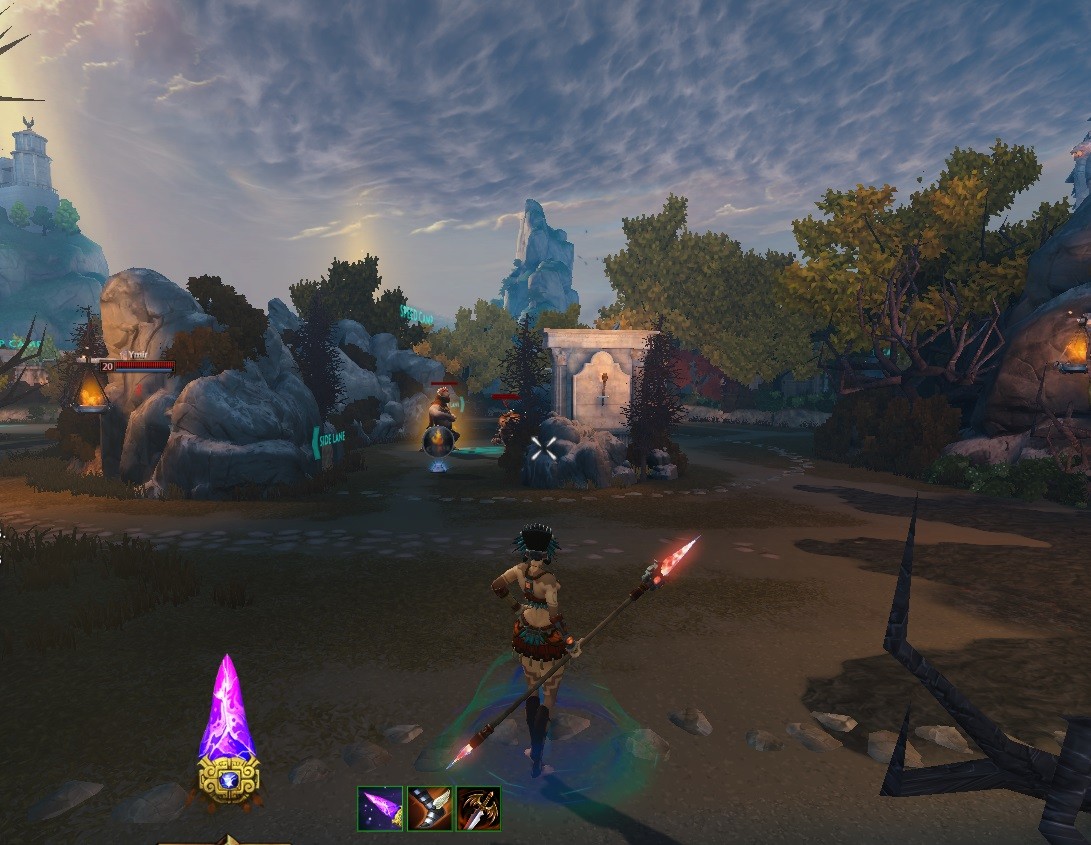
A ward like this, deep in the enemy jungle is something that can only be placed by your jungler due to the risks involved. However, the potential gain is great as the vision it gives can be instrumental in beating the enemy jungler. The vision provided is shown below.
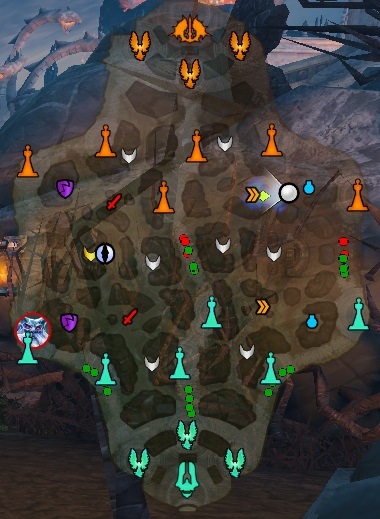 As you can see, it covers the speed buff entirely as well as the pathway next to it.
The mobility of the jungler allows them to grant their team vision all over the map, even in the enemy's side of the map, which can help with aggressive plays such as ganking them when they go to secure a buff. The jungler can also ward to mitigate the lack of warding by side lanes. If your solo laner is struggling in lane, warding for them allows them to not have to waste gold on wards, stopping them from falling further behind.
Speaking of the solo laner, their wards in the early and midgame are most impactful when placed in between the entrances to their lane and the Fire Giant pit. These pathways are often used by jungles and solos when rotating through to the various objectives in the solo side of the jungle, so having vision on them will allow you to keep track of the enemies' movements. If you are being ganked a lot or if your buffs are being stolen, placing wards near your lane entrances or near your buffs will allow you to be safer in lane, at the cost of knowledge about the enemies' movements.
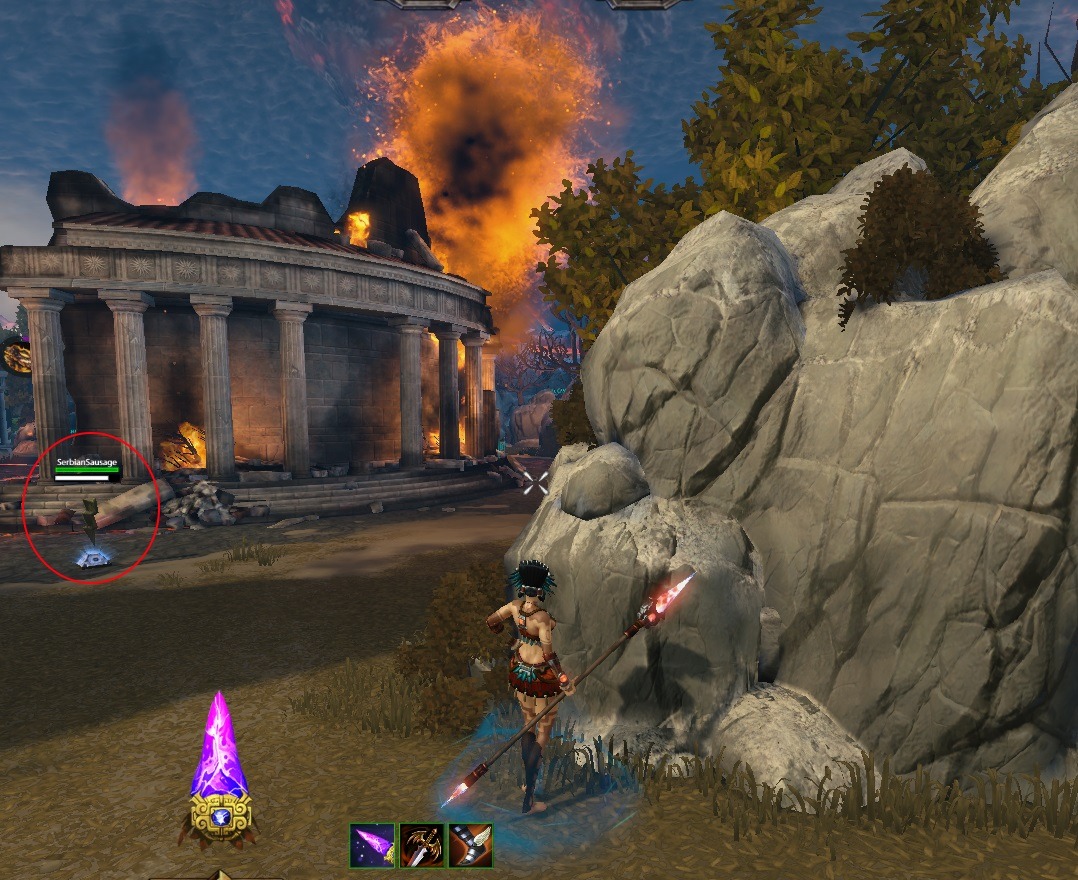
This is the prime spot for a solo lane ward, as it gives vision of your pathways and the pathways around the fire giant/fire elemental pit.
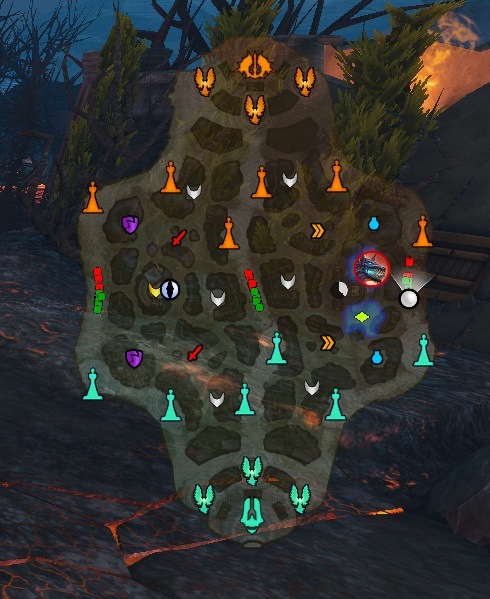
It will give you plenty of warning before you get ganked, which is important as a lot of solo laners have great gap closing abilities
The midlaner gets a few choices as to their ward placement. A very popular one in the SPL that is very undervalued in mid-level ranked is the ward in the actual lane right in front of the enemy's tower. Not only does this ward allow you to keep track of if the enemy's midlaner is still in lane when you're ganking/rotating, but the enemy jungler will often use this path when transversing between the two jungles, so this ward will let your team know which side of the map they're moving to and when. Apart from that, warding your pathways will allow you to stay safe from ganks which is extremely important as the enemy jungler is most likely going to be focusing on your lane at the start if the game.
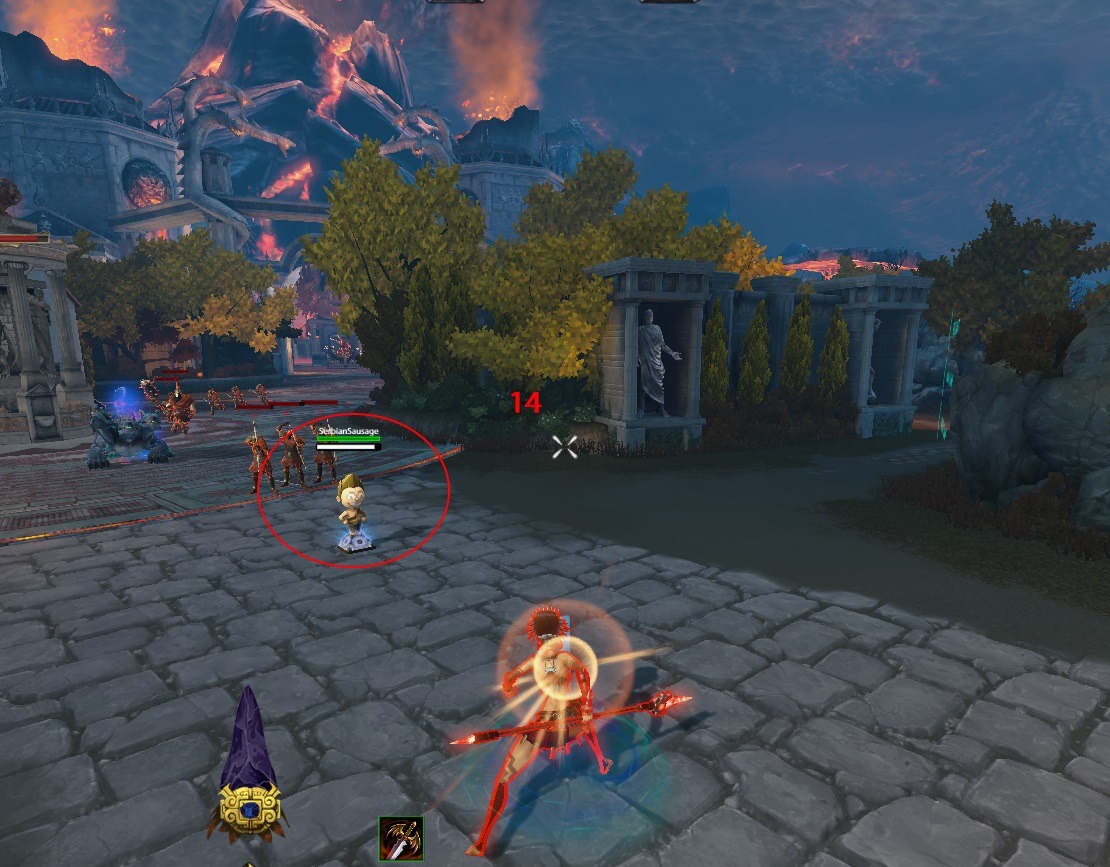
The midlane lane ward is commonly seen in the SPL but not as much in ranked play. It can be incredibly useful, as getting vision on enemy rotations early on allows you to get a glimpse at their strategy/habits
The ADC often does not have to worry about wards in the early game as the support will ward pathways for them, but once it hits midgame they become responsible for their own wards. Warding pathways deeper into the jungle allows you to keep tabs on the enemy jungler's position more effectively at this stage, as warding entrances will show you their position too late for you to be able to react effectively.
It is worth noting that in the late game, all the roles have to coordinate together to ward, as they will no longer be in lanes. Making sure the entire jungle is covered and no ward is wasted is imperative to ensuring your team isn't jumped in the late game, which could lead to a lost team fight which at that stage could be catastrophic.
Warding throughout the game
Any game of Smite can be split into 3 distinct phases; Early, mid and late game. Team tactics change for all of these phases and therefore warding changes for all these phases as well.
Early game wards are mostly used to gather information about the enemy team's playstyle and to keep track of their rotations. These wards are most often placed in lane entrances or near the buffs
Something that's often overlooked is the advantage of buying wards at the very start of the game. According to Variety, "You can buy them to know what kind of start they do, if they've invading or also if they're gonna gank early. The amount you do place though can vary, there isn’t necessarily a correct amount of how many you place, it’s usually how good of a spot you can find to place them."
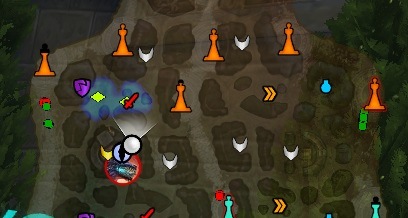
Wards like these allow you to get a look at the enemies start and their builds, so you know what to expect when you're going into lane.
Wards at the start not only give you a lot of insight into the enemy team's strategy but they stop you from having to limit yourself and go back early to get wards, potentially shrinking any lead you have over your lane opponent.
According to Variety, "Usually in the early game you tend to ward the lane entrances and Gold Fury mostly, but as the game progresses you start warding more in the centre of the jungle."
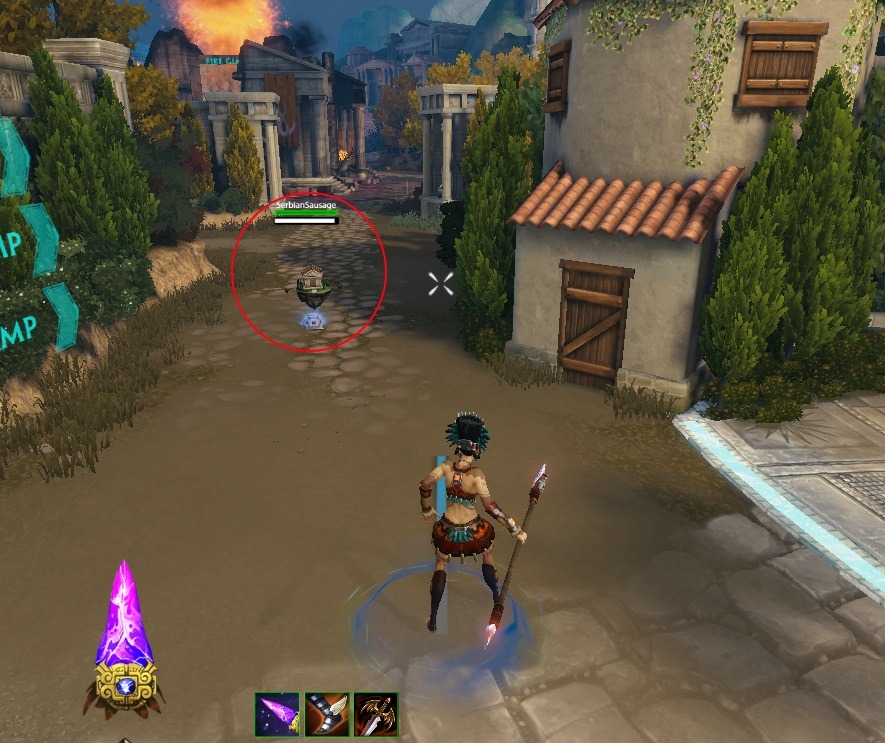
Early game wards are quite close to entrances because they're easy to put down and give you ample warning of incoming ganks.
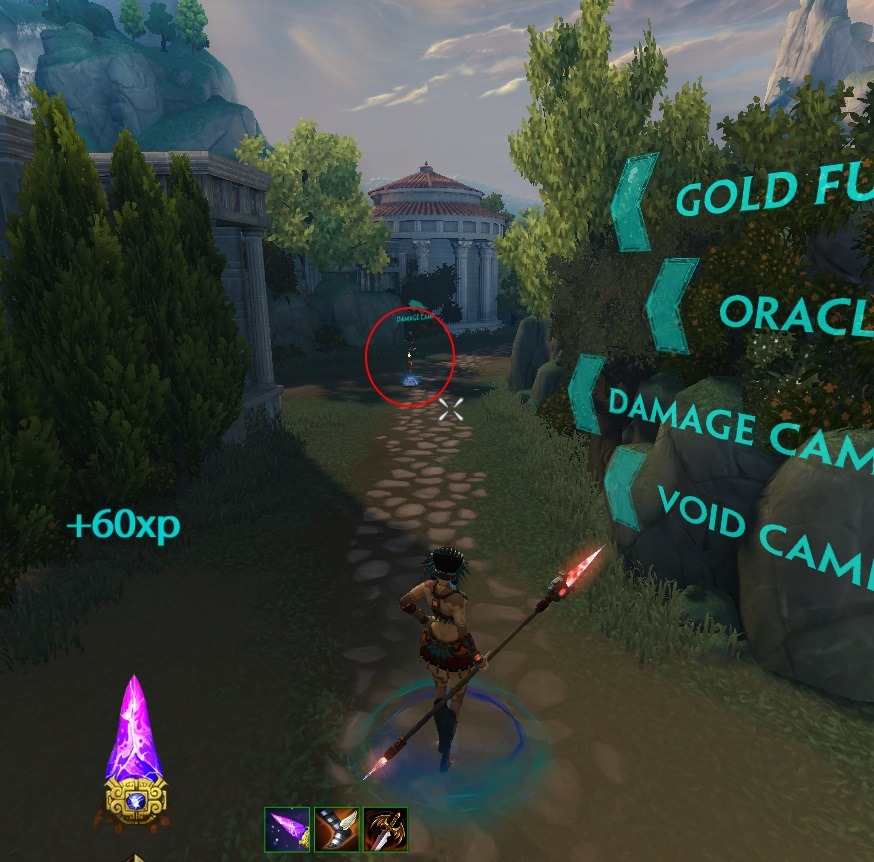
Mid game wards are much deeper so that they can double as anti-gank wards and wards that track rotations.
As warding moves closer to the centre of the jungle, entrances become unwarded, so you have to observe enemy paths instead of being immediately notified about a gank.
Variety states, "The mid game is probably the most important phase to ward since that’s when teams tend to try to do Gold Fury and gank a lot more. If you have poor warding during this part of the game, the chances of the enemy team snowballing and winning the game are pretty high."
The mid game's focus on objectives and ganks makes it incredibly important to have full vision of the jungle. This is also why Sentry Wards become more commonplace at this phase. Denying the enemy team vision of key objectives allows you to maintain control over them and perhaps even sneak them under their noses.
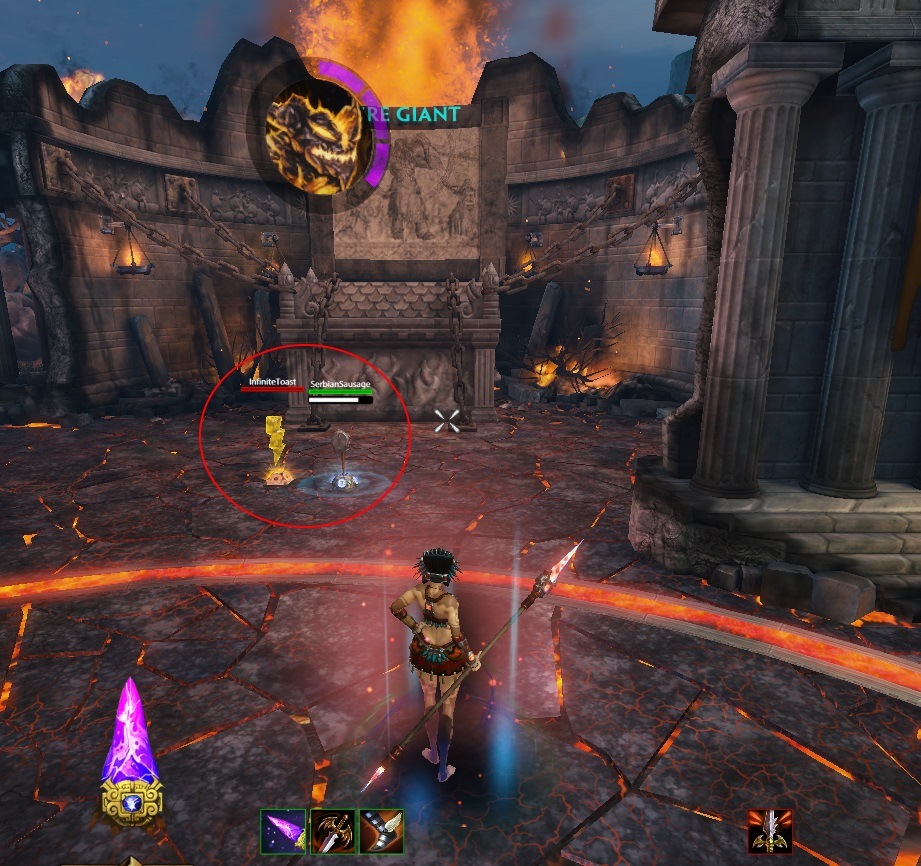
Sentry Wards are the most important on big objectives like the Fire Giant, especially since it doesn't have built-in vision like the Gold Fury does with its oracles
The late game warding situation is split into two different types, objectives and rotation wards. Objective wards remain the same as the midgame but rotation wards change depending on which team is ahead. If you are on the defensive, warding in pathways near your base allows you to control where your enemies can attack you from. Two wards covering the two edges of the jungle near your phoenixes are especially important, as this is most likely where an attacking team will rotate through when moving from phoenix to phoenix and also when they're most likely going to be lying in wait if they're setting up an ambush.
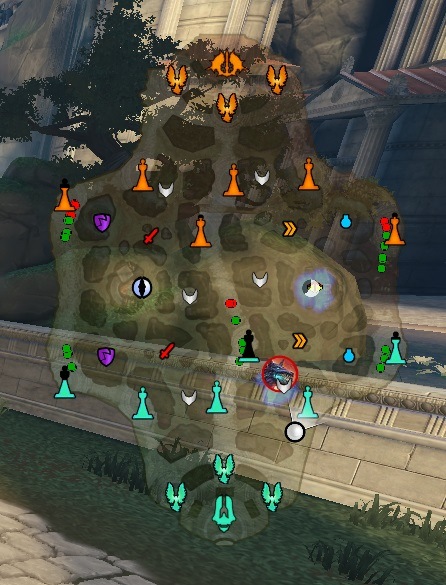
Wards like these in a defensive late-game situation allow you to spot enemies grouping up for an ambush or catch them rotation to take out your towers/phoenixes
If you're winning a late-game situation, you need to set up wards in the enemy jungle to watch for their rotations and be ready for situations where you can catch them out. Furthermore, warding to counter split pushing is a good idea against more experienced teams, as split pushing is a common strategy when behind in the late game. Making sure that they can't sneak your towers/phoenixes will make closing out the game a lot easier.
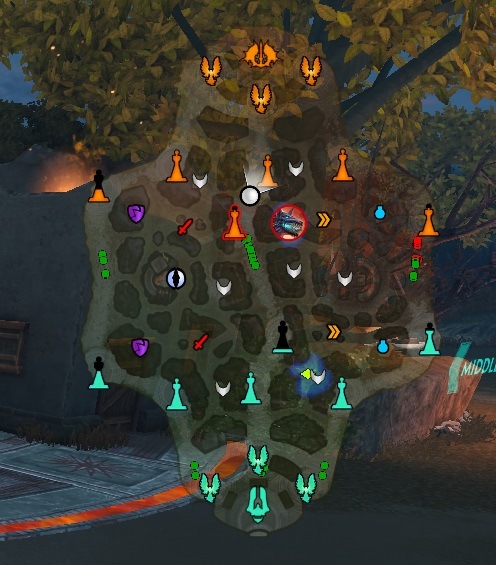
In an offensive situation, wards that cover the most pathways behind you are great as they let you check for enemies rotating to split push and for ganks and ambushes
Sentry Warding
Once the mid game rolls around, Sentry Wards become extremely important for your team, as just having vision of objectives is no longer enough. To obtain true control, you have to ensure that the enemies do not have vision of the objectives; thus, Sentry Wards. Sentry warding objectives should be a job for every member of the team, as very often many wards will be exchanged in the space of a few minutes so you need to have more sentry wards ready to ensure you aren't left without vision on any key objectives.
However, sentries aren't just useful on objectives. According to Variety, "I'd say the important place to sentry is just where the enemy places their wards to deny them vision as well as giving you their vision. This makes it so the other team can’t feel truly safe when pushing up and not to mention you get gold for destroying a ward."
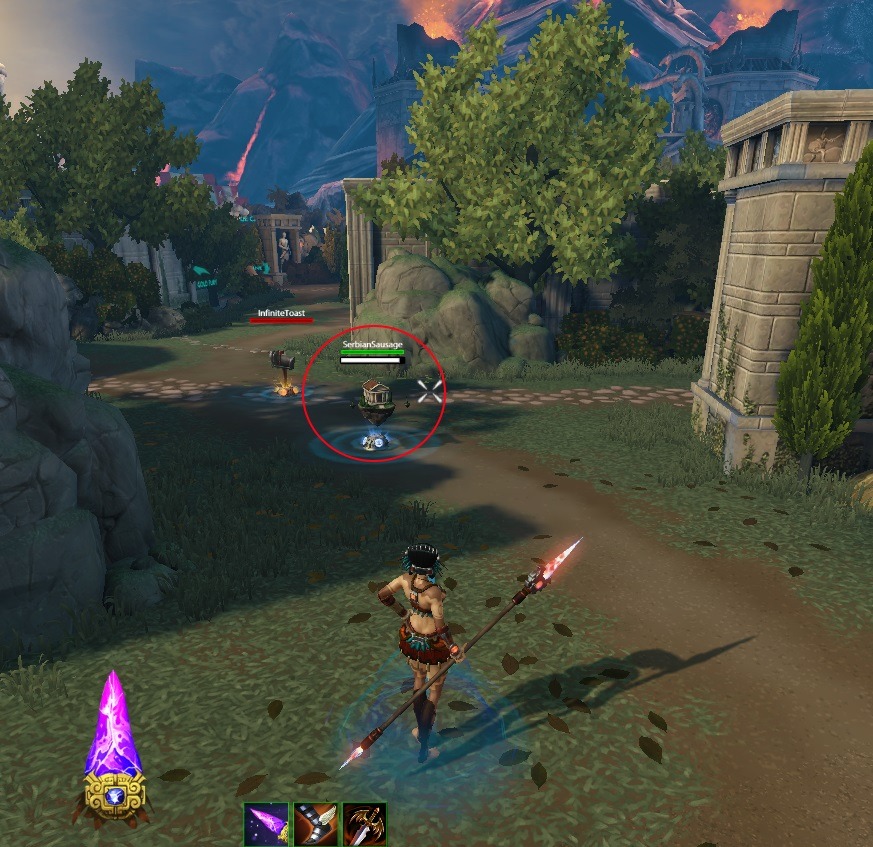
Sentry Wards in high traffic pathways like this allow you to keep the enemy in the dark about your movements.
The gold gain for destroying wards is a fairly recent change that has not only given incentive to Sentry Warding but also allowed it to not be as much of a loss of gold as it was before.
This is pretty meaningful, or as Variety says, "It can be since the net gain is larger (you get 50g and they waste 50g) but on top of that, it also makes buying sentry wards less of an issue. You don’t have to delay your builds too much when buying them."
Teleporting To Wards
Once upon a time, the teleporting to wards feature of the Teleport relic was the main reason it was picked up. The ability to move across the map as a solo laner or jungler in the late game made them incredibly powerful, as it allowed them to save ults and other relics they may have used for rotation. However, the changes to actives during Season 4 relegated this function to the upgraded version, which costs 500 gold to upgrade to.
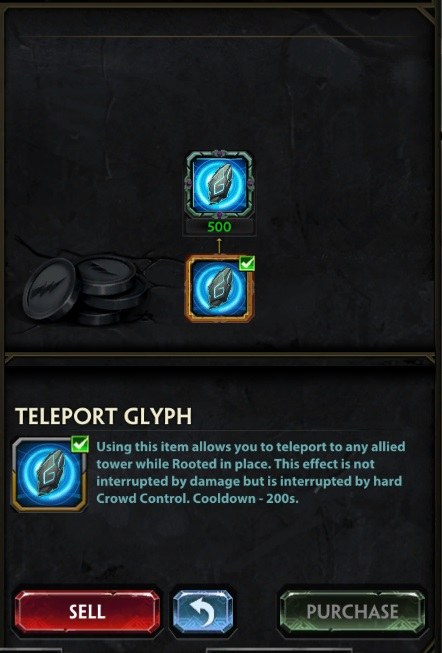
The upgrade cost to gain access to teleporting to wards is just too high to warrant a purchase in the mid-game, where it would be most effective.
As Variety puts it, "I think the teleport to ward relic is not very good right now since you have to spend 500g to even use it and in the early game that is a huge setback, especially for solo lane which is very dependent on build power spikes. I hope to see this change in Season 5."
500 gold may not seem like much, but even in the mid game, this can be a huge setback for your build and for not much gain. Overall, the use of wards as pocket teleporters is almost gone right now, but we shall see what season 5 brings.
Final Words
Warding in Smite will always be a fluid topic and the theory crafting is always changing. This is one of the reasons why it is so hard to master, but understanding these basics will help you adapt to most situations and come out on top in the war for vision. I'd like to thank Variety for his help on this guide and I hope you gained a lot from it!