





Blogs
Melee's "The 5" - An Interview with Dr. Z
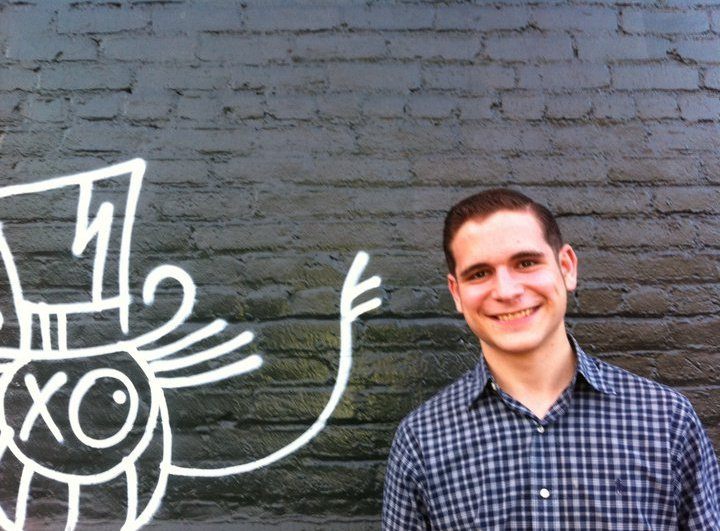
One of the most profound differences between Super Smash Bros Melee and other esports is the inception of its competitive play. Without developer support, the ruleset by which we decide who is "the best at the game" has slowly changed over the years through grassroots tournaments. I sat down with Sheridan "Dr. Z" Zalewski, one of "The 5", a competition committee whose goal is to standardize a rapidly aging ruleset to address some of the biggest issues tournament organizers are facing today. Some points of contention, such as the legalization of box controllers and memory card hacks, have occurred between the decisions made in the effort to modernize the suggested universal ruleset and the opinions of smaller regional and local TOs.
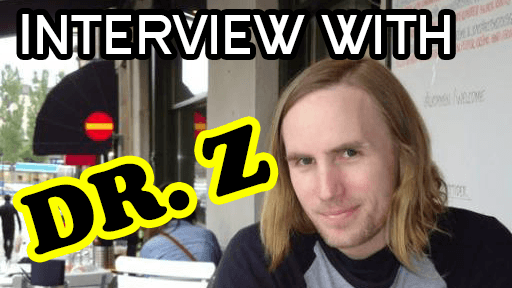
Do you see the competition committee as a leader for regional/local tournaments in addition to the major tournaments that already make up “the 5”?
Dr.Z: Part of the point of standardizing the ruleset at the biggest events is to encourage TOs to use it so that players can expect something consistent year-round, but I definitely still encourage experimentation with rulesets/formats at regionals and locals.
Since its inception, what are the biggest successes for the competition committee? What have been the biggest challenges?
Dr.Z: The biggest success so far is really just the fact that it exists at all, given how hard it is to get that many smashers to all come together to work on. I don't feel like we've yet made any super impactful rulings or solved major problems but we have a few in progress and at least having a centralized place for these issues helps the community know where to go with problems and who's accountable. As for challenges, the 3rd party controller discussion continues to be difficult especially as now our job is also to mediate disagreements between controller developers. The general flow of the conversation and understanding has been good but we've been too slow at making progress.
With the explosion of major tournament events these past 2 years, is there a strong role for regionals and locals anymore in the global scene?
Dr.Z: Lines are blurry between 'majors' and 'regionals' but arguably regionals in 2017 were where we saw the most growth and success with events like Full Bloom, Smash 'n' Splash, and Royal Flush.
Do you see benefits to how tournament organization is currently structured (i.e. independently within regions and then cross-referenced with the global Melee calendar)? If you could make changes to it, what would you do?
Dr.Z: In principle yes, in execution no. We need to do more outreach to TOs to help them understand the calendar and encourage them to host events in different timeslots in the year.
If the Melee scene were to be centralized under one umbrella organization, how do you envision a series or seasons in our eSport would work?
Dr.Z: This would take a really long time to answer in detail but the basics would be similar to how ATP works for tennis, though I think ideally the championship tournament would be higher profile than the grand slams. The year schedule and point value is set ahead of time so people can make decisions longer ahead of time about what events to attend, and the offseason is relatively short.
Does the presence of 20XXTE (Dan Salvato’s Memory Card hack featuring neutral spawns and universal controller fixes) further divide the tournament scene between “super-major” and “other”? Do you see a potential for 20XXTE, UCF, or other similar memory card fixes being used ubiquitously?
Dr.Z: Presently I don't see any way that Nintendo will license a tournament that uses unofficial modifications of their software. I don't really know what the right strategy is to change that, but the reality is that eventually in the future we will need to because either controllers or discs or consoles will be in limited supply, so we need to be proactive about it. I don't have much of a problem with smaller regionals and locals experimenting with modifications as long as they aren't setting expectations about what kind of "fixes" will be used at supermajors that need Nintendo licenses. Disregarding the logistical problems, I personally am pretty hesitant to make anything but quality of life changes to the game via software. I advocate a hardware solution to controller problems.
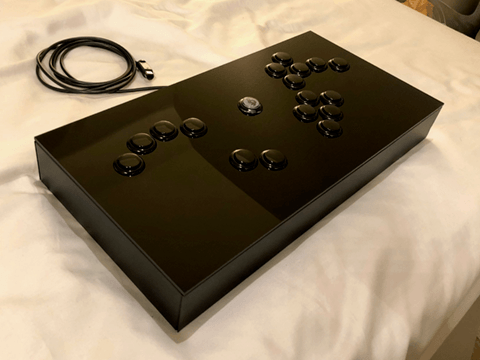 Kyle McDowell. A B0XX Lead Developer's personal controller.
With the alpha SmashBox builds out since last Summer, the final version of the SmashBox hitting production by the end of the month, and Hax’s presentation on controller behavior and potential fixes, are we any closer to a decision on how to address box controllers? Do you see this as something that will be resolved in the coming year?
Dr.Z: For a long time this discussion was mostly 3-4 different parties all arguing about details without having any kind of common ground on a framework/philosophy for trying to resolve those details and just kind of talking past each other, but with Hax's video and my personal discussions with the SmashBox and Smash Stick guys, we're in a better place to resolve differences and come up with a common ruleset. The approach I want to take is with the understanding that it's impossible to get it perfectly correct the first time and leave room for iteration, but that also means that developers also need to be able to iterate and we're working on seeing how realistic that is for them.
Aside from UCF and alternative controllers, are there any pressing issues the competition committee is trying to tackle?
Dr.Z: I think perhaps the next most pressing issue is something regarding time limits in between games to make decisions, drink water, etc. We had been talking about this before anyone complained about Wizzy but it's actually not just a problem for players, but TOs and streamers too so everyone has an interest in a solution.