




Blogs
What Makes A Meta?

If you’ve been playing Smite for any length of time, you’ve probably heard someone at least mention the Meta. The Meta, as most players know, is the set of accepted picks, builds, team compositions, and tactics that make up the effective strategic variance of the game: in other words, it’s the things you WON’T get yelled at for doing in ranked. To many, The Meta is something mysterious, or almost mystical; a blend of secrets cooked up by pros, theorycrafters, and streamers through arcane mathematical formulas and hours upon hours of scrims. Now, there’s certainly some truth to that idea: it takes an eager and dedicated community to build a complex and effective Meta. However, it’s important to recognize that many factors go into the construction of a Meta, and recognizing them can be a benefit to your Smite experience. Instead of just building an item or picking a god because “it’s The Meta”, it’s better to know the reasons behind their current efficacy and popularity.
Meta-Building Factor #1: Gameplay Priorities
Even in a game where seemingly nothing is safe from Hi-Rez’s balance hammer, there are some factors and necessities that remain constant in every Meta, and dictate the foundations of every Meta to come. As an example, look at the evolution of early-game hunter builds and tactics over the past three seasons. The primary concern of hunters in Smite has always been surviving the early game; this means either buying tools for lane sustain (such as physical lifesteal) or picking up additional power to clear waves faster and avoid poke or minion damage. While individual aspects of the early hunter role have changed, this need for survivability or power (preferably both) has dictated every change in hunter strategy since Season 1. The sustainability of Devourer’s Gauntlets was an early favorite, while season 2 gave way to the power-focused reign of terror known as Heartseeker Meta, and season 3 gave us a new kind of quick-clear in Throwing Dagger, which is even now unwillingly making way for a new hunter start.
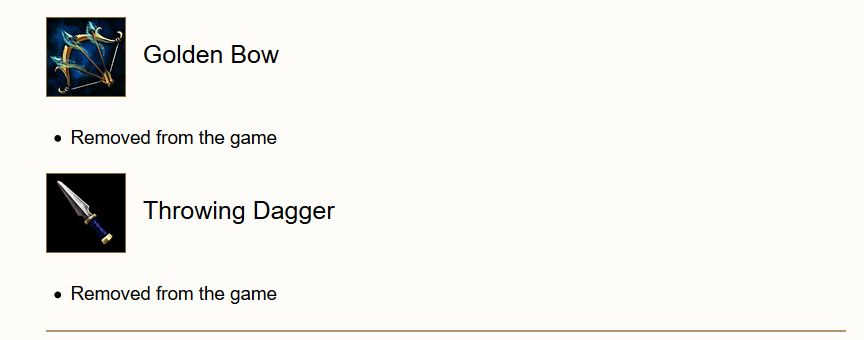
This need for clear and sustain influenced other aspects of the duo lane as well, like the pre-nerf prominence of Sylvanus and the continued struggles of Artemis in competitive play (Throwing Dagger excluded). This is only one of many potential examples, which include early buff acquisition and gold fury control, but the primary takeaway should be that every Meta addresses some of the same priorities and issues, even if they may do that in radically different ways. Some things in Smite never change.
Meta-Building Factor #2: Balance
While the terms “overpowered” and “underpowered” are often used excessively among the community, there’s no denying that sometimes, certain gods, items, or game approaches can be objectively superior to others. The strategic needs and priorities I mentioned earlier are the questions every Meta needs to answer, but game balance determines what the answers will be. Consider the solo lane and item prioritization: when two bruiser warriors face off, a physical defense item is the obvious first choice, because of the lane opponent’s damage and because of the damage dealt by minions and towers. This aspect of the game has never really changed much, and can basically be considered a part of the unalterable game priorities I mentioned before. The question, then, is what exactly to build.
For a short while, rushing the item Mystical Mail was considered the best available strategy, especially on warriors like Hercules and Sun Wukong that could take great advantage of the improved clear and tanky stats it granted. However, Hi-Rez was unhappy with the dominance of Mystical Mail in the solo lane, and chose to adjust the item. The stat reduction made the early investment no longer as valuable, and the introduction of cheap and aggressive options like Bluestone Pendant made the greedier and defensive Mystical rush too risky for continued play. After Mystical Mail was nerfed, and its stats reduced, Runeforged Hammer gained popularity for a time before being nerfed and replaced in the Meta by the old standard and current favorite, Breastplate of Valor.
This kind of buff/nerf cycle and shifting Meta doesn’t just apply to items, either. It can be seen in god adjustments, active/relic changes, and even map alterations. This is the part of the Meta that is the most difficult to keep up with, and also the most difficult to anticipate. As I said before, all of these changes are just different answers to the same question, but which answer is best can only be determined by a great deal of gameplay, practical testing, and battlefield build experimentation. This is why it’s so helpful to stay plugged into the Pro League and professional streamers; the pros will almost always be using the latest and best of available builds, so look to them for general build advice and pick recommendations. This is also why it’s important to keep yourself updated on the latest patch notes; if you stay on top of the current Meta, it’s sometimes possible to predict the upcoming Meta changes based on the buffs and nerfs being applied in the latest round of content addition and balancing.
Meta-Building Factor 3: Self-Reference
Confusingly enough, a part of the Meta is also developed in response to the currently popular strategies. When the current Jungle Start Meta dictated that both teams start at mid camps, and prioritize their clear over other jungle camps, certain midlaners shifted in and out of the Meta based on their ability to secure mid camps and build an advantage. The same could be said of relic choice based on team composition, or starter items based on expected opposing start. This is one of the reasons the Meta is always shifting: as soon as a particular build or god becomes popular, dedicated players will immediately begin searching for ways to counter that piece of strategy. The brief resurgence of healers saw increased pickup of Curse, Brawler’s Beatstick, and Pestilence across the board, while a temporary return of Bakasura to the solo lane saw an even higher pick-ban percentage of Bellona across the board, due to her Disarm ability. When these counter-strategies gain prominence, however, new counter-counter-strategies appear to attack the weaknesses in the new trend, and the process starts over again.
Something doesn’t even have to be a counter-strategy to benefit from the self-referential nature of the Meta: because some players pursue the Meta so doggedly, and seek to conform to requisite builds and picks, sometimes the mere perception of something being a part of the Meta can be enough to actually propel it to real popularity. An example of this phenomenon would be the recent rise of Soul Eater, after it was commonly picked up at LAN events, in lieu of the more popular but riskier and less defensive Asi. In only a week or two after the event, Soul Eater had almost completely overtaken Asi in popularity, despite the lack of any buffs or major changes to the item.
Summary
So to recap, the Meta is determined by three primary factors: The basic priorities of the game, the theoretically and practically best tactics to suit those needs, and the Meta itself, including people’s tendencies both to conform to and fight against the current Meta.
So why does any of this matter? Well, if you’re going to play Smite in the way determined by the current Meta, it’s important to understand why you’re doing things the way you are. Golden Bow was a popular recently, but why? If you’re just picking up Golden Bow as a first item because “that’s the way it’s supposed to be”, you’ll suffer in lane and lose the valuable advantages in free poke and fast clear that the Golden Bow start is supposed to be granting you. The Meta is an incredibly useful set of tools for success in the current game state, but always be sure you’re playing the Meta; don’t let the Meta play you.
Get your own AKRacing Chair here and support our players, all profit goes towards the teams!