






Blogs
If Only I Had A Good Team: discussing the myth that creating a team will solve all your problems

Frostbite
Wed 11th Mar 2015 - 6:00pm

Introduction
It's that time of the year again where players are coming together to form teams in an attempt to face off against worthy adversaries and make a name for themselves. However, to get to the Smite Pro League, teams had to go through the Qualifiers. This year there were a considerable amount of teams in Qualifiers. There were also a considerable amount of teams that broke up, or implemented roster changes, after not making it in the Qualifiers, thus showing that even high-level players are not immune to the myth that hovers over many players looking to get their first taste of professional play.
Myth: If I start a team I can get better and become a professional.
Time for a personal anecdote. I was involved in a few teams with like-minded individuals. "I'm pretty good. I want to find some more players to get better and hopefully break into the scene. I'm off to the forums to find a team!" First off, lower-leveled players lack the experience to properly self-evaluate themselves. Secondly, starting a team too early will stunt your personal growth as a player. You'll have a few strategies and some team synergy, but you will lack adaptability. Players become so determined to find the perfect team mates that he or she forgets to focus on being the perfect team mate. Focus on individual skill first.
Perfect your accuracy, your movement, your zoning, etc. Your teammates don't control your mouse and keyboard, you do. After a while you start to rely on your team for everything, and that's a not a good trait to have if you plan on facing off with professional players.
Restricting yourself.
Being on a team means you're expected to play one role very well. Essentially, you'll want to use the best in that role then. Currently, for supports, the top picks are Athena, Sylvanus, and Geb. Supports who join teams are expected to know these three. What happens here is that the support will generally only play these three and face off against these three. What if those three get banned or taken? "Uh-oh, I only know how to play Geb, Sylvanus, and Athena." What if you're Sylvanus and suddenly you're facing off against a Sobek? "Woah what is this???? He keeps plucking me and reducing my heals. I haven't practiced against him." They haven't practised against Sobeks, because everyone's restricting themselves to the "stronger" Gods for their teams. The same goes for the other four roles. This is true for higher levels of play as well. The players with small God pools, the amount of Gods you have at your disposal that you are capable of playing at a high level, are generally seen as the trouble spots for teams and these players get replaced very quickly.
Not all teams stick together forever.
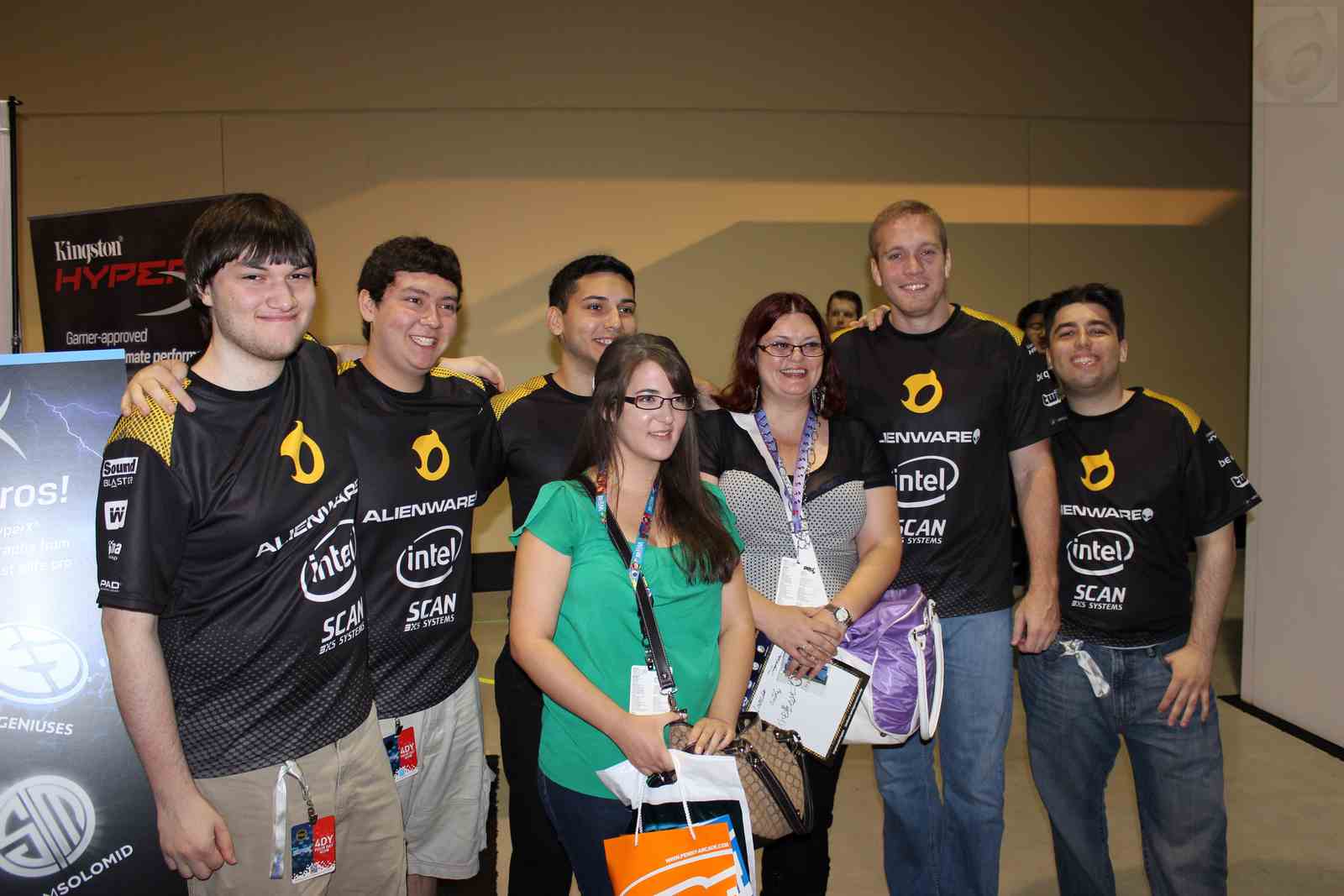
I can't think of any professional team that has kept their roster the same throughout all five players' professional career. You'll have to be able to adapt to change. However, if you only play with the same five players every time you play you're restricting your ability to adapt to change. "Oh, I'm only used to X being my support. This is too different." Solo queue is by far the best thing you can do for yourself. It may not be as fun as queueing with friends, but if you want to play at the highest level you want to be able to adapt to any situation you can come across. This is why most professional players will recommend you get to Masters in Ranked.
If you can work your way up through the tiers into Masters you've shown you can adapt to almost any situation. However, there's a small problem now that the new Duo Queues have been implemented. Players are partnering up with their friends expecting to get to play Support and ADC with each other every time. It isn't likely that they will get Support and ADC with each other every time. If they're not ready to adapt they will most likely cost the team that victory.
Professional players do it.
Well how come professional players are always with their teams and duo queueing? They've also accumulated more solo queue play time than most. They're already at their peak individual performance. They're at the level in which playing with the same people will benefit them as a team while also not losing their adaptability or restricting themselves. Just because a professional does it does not mean anyone can do it. This becomes evident now that the Smite Pro League has begun.
The strongest teams are the ones with the strongest indivudual players. Once you grow confident enough in your performance, you can start combining your strengths and weaknesses with other players to form concrete strategies and synergy. That's what teams are for. Teams are not for learning or perfecting your individual skill. Teams are for taking what you already have and combining it with other strong players. If none of you are bringing much to the table then no one is eating.
Conclusion
If you're looking to improve yourself don't look to start a team. It may do you more harm than good. Perfect your individual play, and be able to adapt to anything that comes your way. Once you are confident in you individual skill look to find other confident individuals to form a team.