



Blogs
The Effect Of Competitive Play On Overwatch's Community

Online communities often get accused of being toxic. Abusive language and behaviour has become the norm in gaming and attempts to change the balance have led to endless articles and debate. Are we as players culpable? After all, we are the community and if we accept it as inevitable are we simply giving it our tacit consent?
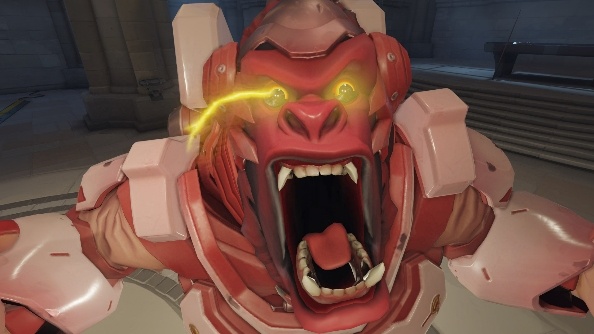
Psychologists describe the phenomenon of abuse in online environments as “cognitive dissonance”, meaning that those using abusive language are not truly identifying those that they are abusing as people at all. Much less understanding the emotional impact of the words and phrases they are using. It’s easy when caught up in the moment to type something to an anonymous gamer tag you wouldn’t say to a person face to face. The impact of cognitive dissonance is that the level of intention to harm is severely reduced as the recipient is not perceived as “real” and therefore anything said cannot truly harm. The rise of this form of behaviour on the Internet has led to certain phrases being used more often, with terms such as “autistic” or “retard” being commonplace.
Blizzard are very active in their other games when dealing with abusive behaviour and with Overwatch have demonstrated that they are taking cheating more seriously than other publishers in the genre. Yet there seems to be little reaction to the reporting system for harassment. Activision recently announced that there were 15 million players who have racked up 500 million hours in game. (Over double the numbers at launch). With that many people in any community there will be bound to be some “bad apples”, what should not be a given is that the voices of the minority are all that can be heard. So far though there’s been little visible response to reports for harassment and some players and commentators believe that the company isn’t doing enough to respond to this situation in game. Perhaps short-term bans for abusive behaviour or permanent bans in the case of hate speech or persistent poor behaviour in line with similar policies on other Blizzard IPs would be more in-line with the expectations that people hold of Blizzard due to their stance in other franchises?
Since competitive play opened in Overwatch some people have reported that they have noticed an increase in abusive behaviour and language from the community. For some this was just something they expected, for others it was a disappointment. When Overwatch moved from being a game where prestige was individual or within groups of friends to an eSports environment the focus for many players shifted. Rounds became more important to win and failure became a reason for salty comments. Refusing to swap heroes in order to support the rest of the team or not performing to the standards of one vocal member of your team even in Quick Play are considered sufficient reason for a tirade.

Does competition bring out the worst in people’s nature? Is it inevitable that the stress of ranked matches will result in these kinds of situations?
Of course pushing our ranking is important to us and we’re investing our time and effort into making sure we’re playing the best we can during those matches. However, unless you’re in a full group with people you play with often you have no control over who the matchmaking system will put you into a group with and you will never have any control over their behaviour. Trolling, such as the “Symmetra teleport of death troll”, where the Symmetra player on your team places their teleporter in such a way so that when you use it you instantly fall off of the map can not only make you lose your match but is incredibly frustrating. It’s one thing to be outplayed, it’s another to have a bad match yourself but to be put in that position by someone on your own team is hard to stomach.
Using the reporting function, muting and blocking players can all contribute to allowing us as individuals to have control over our online environment. Statistics suggest that the most vocally abusive players are actually less likely to be competitive players and that part of their frustration comes from being aware of what they want to achieve but lacking the skillset to deliver on their ambitions. Realistically though one of the key things that players can do to change the toxicity of an online environment is to stop tolerating behaviour that they wouldn’t consider acceptable outside of gaming. Just because you’re online it shouldn’t change the person that you are or that you would want other people to see you as.
Challenging toxic behaviour makes a difference, each of us can make a difference. By standing up and being vocal about we consider appropriate we create the environment we’d rather be a part of. Instead of being mute when abuse happens let’s stand up and be counted. Let’s make sure that the community standards we want in Overwatch are created and maintained. Toxicity in gaming isn’t inevitable, it only happens when we as gamers let it. So we have to ask ourselves what kind of heroes do we want to be? After all, the world needs more heroes.
Get your own AKRacing Chair here and support our players, all profit goes towards the teams!