




Blogs
What Can You Learn from CS:GO Pro Matches
Introduction
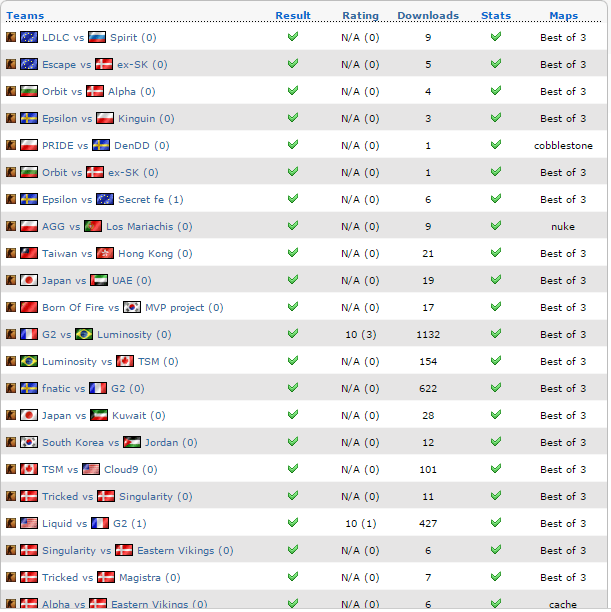
In the past, I have spoken a lot about warming up and improving your own play through different training maps and focusing on certain positions but I haven’t discussed using pro player’s demos to learn the most effective Meta strategies. With Cologne just around the corner, I feel this is a great time to discuss the best ways to not only improve your individual understanding of the how to play certain positions, but to also engage with and appreciate how and why the top teams play certain maps. This is where I stress that to get the most out of the matches you watch during the major I would recommend actually downloading the games you want to watch specifically or watch them via the CS game client so you can take control of the camera. While watching the matches on Twitch might be more entertaining with the casters showing the most exciting events of a match, it does not allow you to focus on the nuances of a position. While it might be boring to watch a player hold B while his team mops up the enemy before they can even rotate, you can still gain an understanding of their choices, when they might rotate and the kinds of calls their team might have made. If you’re looking for a source for demos, HLTV is my go-to where the majority of matches, whether they're majors or small North American and Eastern European online matches, are uploaded for your viewing pleasure.
How to watch a demo
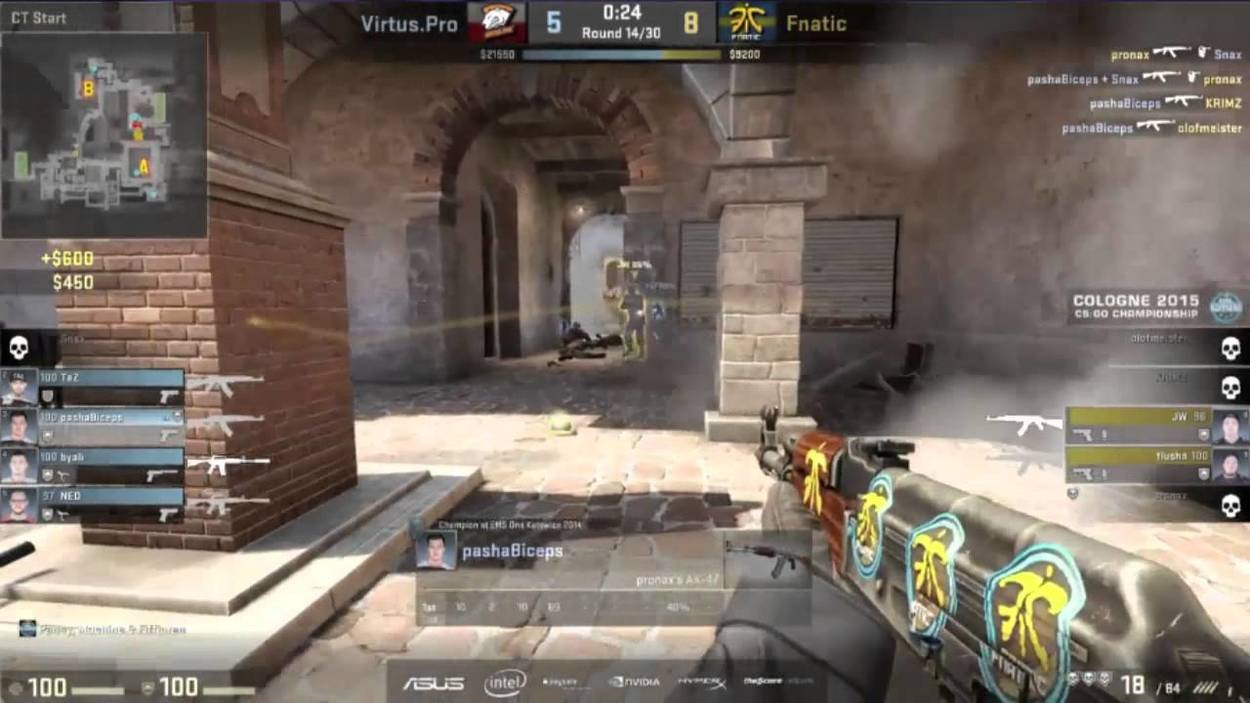
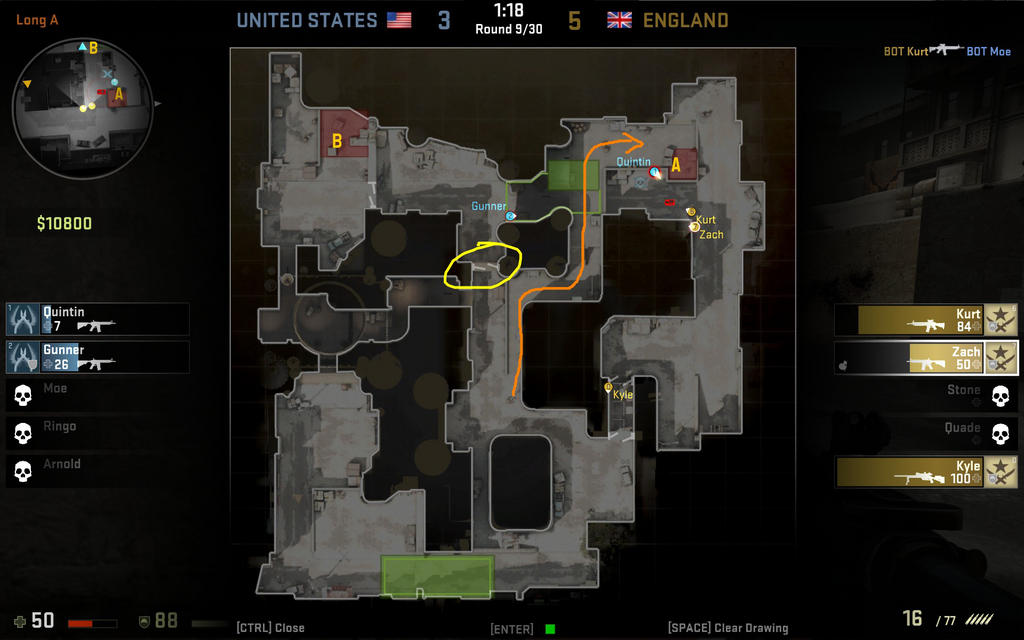
As an individual, you’re obviously not watching a demo to understand how the other team plays and develop a counter strategy like the top coaches and in-game leaders but rather to adapt and merge their play into your own. The first step is to identify something you want to work on, this can be done playing your own games or when casually watching a pro game and thinking ‘I wonder why he was so successful in that position’. If it’s the former, then pick the map and flick through the demo working out who was playing in and around the position you’re having trouble with or looking to improve then restart it and watch from scratch. If it’s the latte,r than you probably already have an idea about who you want to spectate and can begin by doing that. Ideally you want to get a game where there are a variety of different circumstances and difficulties the player you choose has to face. You won’t learn a whole lot if they are shutting down the other team every time. Treat the match as though you were playing, look for sound cues that might indicate how a player knew he was there, look on the minimap and see what his team sees and work out when and why they make decisions. Best case scenario you can learn how they tackle eco rounds, anti-ecos and buy rounds all in one match.
Individual play
As an individual I feel like CT positions are the best you can learn from watching Demos as T sides tend to be more adaptive and different players may be tackling different positions depending on spawns whilst specific players stick to their positions on CT side. For me there are a few key areas I like to focus on when I want to improve my understanding of a position. The first is crosshair placement and peaking, what are the areas I am expected to watch from that position, when are the best times to peak and how do I need to place my crosshair to be most effective at watching them. The second is nades and flashes, are there good ways to pop flash certain positions, how can I cover myself with smokes, and what are the best ways to achieve this. Finally, I like to look at positioning, what are the best ways to specifically position you based on sound and visual cues and how players switch up their play to keep the T side guessing.
Team Play
Rather than looking at individual play on the T side, I like to look at how teams work together and how you’re expected to play a specific lurk or execution position. Here I like to learn what works as a team, what are the key positions on a map and what kind of plays i.e. smokes, flashes and frags are you expected to make from various areas. As such I tend to look at how the team plays rather than how an individual does, and if something seems to be working consistently, like a particular pick or entry, I can focus in on that player for a round or two and examine why. Furthermore, over the course of the tournament I find it interesting to see which strategies teams favor and how successful they are. For example, during the MLG major on Mirage, I noticed that LG tended towards mid quite often on their T side. You can link this information back to your individual play, mid must be important to control so you can look at the best ways to take it and what kinds of plays you can make from that position. If you are actually in a team or have a particularly coordinated pug with good nade knowledge you can even copy strategies and executions that many players won’t know how to counter.
Conclusion
Watching pro demos is a great way to improve your play consciously while enjoying professional matches. If you view a match with a critiquing eye and aim to utilize what you learn as well as avoiding previous mistakes you’ll tend to have an edge over your opposition. Take some time this major to think about areas you want to improve on and analyse the top players and teams in the world to see your play improve rapidly.
Get your own AKRacing Chair here and support our players, all profit goes towards the teams!